

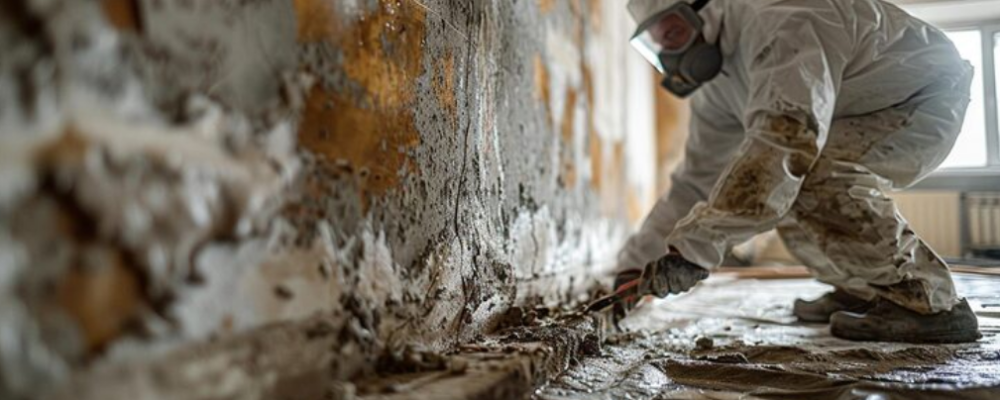
Mold in a crawl space is a common issue that many homeowners do not notice in the initial stage. Because crawl spaces are usually dark, enclosed, and often have poor airflow, they can preserve moisture for long periods. This creates the right conditions for mold to grow on wood, insulation, walls, and other materials.
If you experience a musty smell, visible mold, damp wood, or excess moisture under your home, it’s important to look into crawl space mold removal. Mold growth can return if the source of moisture is not corrected according to the EPA.
Why Does Mold Grow in a Crawl Space?
Mold requires moisture to grow. Crawl spaces can become damp for various reasons, including plumbing leaks, rainwater, groundwater, condensation, or moisture coming from exposed soil. A crawl space with a bare earth floor can also absorb moisture as water moves from the soil into the surrounding air.
Poor ventilation and high humidity can make the problem worse. If moisture is present in the area, then mold can start growing on wooden beams, floor joists, insulation, and other surfaces.
Searching for and fixing the source of moisture should always be the first step in crawlspace mold removal.
Signs of Mold in Your Crawl Space
It is not easy to notice mold. Sometimes the first sign is a strong musty smell coming from below the home. You may also notice:
- Black, green, white, or gray spots on wood
- Damp or wet insulation
- Moist wooden beams or floor joists
- Musty odors inside the house
- Condensation or excess humidity
- Water stains or signs of leaks
- Damaged or deteriorating wood
If you notice these signs, carefully inspect the crawl space or contact a professional mold remediation company for an evaluation.
How to Get Rid of Mold in a Crawl Space
1. Find the Moisture Source
The first step is to look for why the crawl space is getting wet. Inspect for leaking pipes, foundation leaks, standing water, poor drainage, condensation, or moisture coming through the soil.
2. Improve Moisture Control
Once the source is found, take steps to keep the crawl space dry. It can include repairing plumbing leaks, improving drainage, controlling groundwater, or using a properly selected dehumidifier, depending on the situation.
3. Remove Mold From Safe, Cleanable Surfaces
On hard surfaces in small areas, mold can sometimes be cleaned with detergent and water followed by thorough drying. The EPA recommends avoiding contact with mold and using proper protective tools while cleaning.
However, crawl spaces can be difficult and dangerous places to work. Here, workers can face poor air quality and other hazards due to the confined areas.
4. Deal With Mold-Damaged Materials
Some materials cannot be cleaned easily once mold has deeply affected them. Porous materials can allow mold to grow inside spaces that are difficult to reach, therefore, replacement is necessary.
5. Dry the Crawl Space Completely
The area needs to be dried properly after cleaning and removing damaged materials. Depending on the situation, fans, ventilation, and dehumidification may be used. Leaving moisture allows mold to grow again, so drying is an important step.
Why Professional Crawlspace Mold Removal May Be Better
Crawl spaces are not easy places to clean. They can have poor lighting, limited access, electrical hazards, contaminated materials, or other safety issues. If contaminated materials are disturbed, it can lead to mold growth.
Professional crawlspace mold removal can provide an inspection, moisture assessment, containment, safe removal of affected materials, cleaning, drying, and prevention measures. The process is followed according to the size of the problem and condition of the crawl space. The EPA recommends consulting a professional for larger mold areas or significant water damage.
Prevent Mold From Coming Back
After removing the mold, prevention is important. Keep the crawl space dry and regularly inspect for leaks or water intrusion.
Make sure drainage around the home works properly and solve plumbing problems quickly. Regular inspection helps to find moisture problems before they become big mold problems.
The goal is not just to remove visible mold but also to control the moisture that allows mold to grow in the first place.
Trust Professional Mold Remediation in Indianapolis
If you have noticed mold under your home, do not avoid it. A damp crawl space can spread and create problems if the source of moisture is not addressed.
Mold Remediation Indy helps homeowners understand their crawl space mold problem and find the right remediation approach. Professional evaluation helps to identify moisture sources, affected areas, and the steps required to restore a cleaner and drier crawl space.
If you are finding out how to get rid of mold in a crawl space or require reliable crawl space mold removal, then contact a professional who can provide a safer and complete solution. Solving the problem at the initial stage helps to protect your home and prevent the mold from spreading.