

For many homeowners, the crawl space is a classic case of “out of sight, out of mind.” It’s that dark, cramped area beneath your floors that you only think about when retrieving holiday decorations or dealing with a plumbing issue. However, that hidden space plays a massive role in the health of your entire home.
Because of their proximity to the earth and lack of natural sunlight, crawl spaces are notorious breeding grounds for moisture. When moisture combines with stagnant air and wooden floor joists, it creates the absolute perfect storm for fungal growth. If you have noticed a musty odor in your home, warped flooring, or a spike in allergy symptoms, it’s time to look beneath your feet.
Here is an ultimate guide on how to treat mold in a crawl space and why professional remediation is essential for your property.
The Stack Effect: How Crawl Space Air Enters Your Home
Before diving into removing mold from a crawl space, it is important to understand why you should care about a space you rarely visit. The answer lies in a building science phenomenon known as the “stack effect.”
Warm air rises naturally in a home and escapes through the upper levels and roof. As this warm air exits, it creates a vacuum that pulls cooler air upward from the lowest point of the house—your crawl space.
- The 50% Rule: Industry studies show that up to 50% of the air you breathe on the first floor of your home originates in your crawl space or basement.
- The Invisible Risk: If your crawl space is blanketed in toxic mold, millions of microscopic, airborne mold spores are constantly being drawn up into your living areas, circulating through your HVAC system, and settling in your carpets and lungs.
The Hazards of Ignoring Crawl Space Fungi
Allowing mold to thrive unchecked beneath your home leads to two major categories of damage: structural and physiological.
1. Structural Wood Rot
Mold is a living organism that feeds on organic materials. The wooden joists, beams, and subflooring that hold up your house are a five-star buffet for fungus. Over time, wood-decaying molds compromise the structural integrity of these beams, leading to sagging floors, cracked drywall upstairs, and incredibly costly structural repairs.
2. Health and Air Quality Issues
Continuous exposure to elevated mold spores can trigger a variety of health complications, particularly for children, the elderly, and anyone with compromised respiratory systems.
- Chronic coughing, wheezing, and sinus congestion.
- Severe asthma flare-ups.
- Unexplained skin rashes and eye irritation.
- Long-term fatigue and headaches caused by mycotoxins.
How to Treat Mold in a Crawl Space: The Professional Remediation Process
Successfully removing mold from a crawl space requires a meticulous, systematic approach. Simply crawling down there with a flashlight and a bottle of household bleach will not solve the problem—in fact, bleach can actually cause porous wood to retain moisture, worsening the infestation.
A comprehensive, professional remediation strategy involves several crucial phases:
Phase 1: Source Identification and Inspection
First, the root cause of the moisture must be identified and eliminated. Whether it is a hidden plumbing leak, poor exterior drainage, or a lack of a proper ground vapor barrier, treating the mold without fixing the water source is entirely pointless. The mold will return.
Phase 2: Containment and Negative Air Pressure
Before a single mold spore is disturbed, the crawl space must be structurally isolated from the rest of the home. Technicians seal off all floor vents and access points using heavy-duty plastic sheeting. Commercial air scrubbers equipped with HEPA filters are deployed to establish negative air pressure, ensuring that disturbed spores are trapped inside the filters rather than being pushed up into your living room.
Phase 3: Physical Removal and Media Blasting
Depending on the severity of the growth, professionals utilize advanced techniques like dry ice blasting or abrasive soda blasting to physically remove fungal roots from the porous wooden joists without damaging the structural integrity of the timber.
Phase 4: Antimicrobial Treatment and Encapsulation
Once the physical mold is eradicated, all surfaces are treated with a specialized commercial-grade antimicrobial solution to destroy any remaining microscopic roots. To guarantee a permanent fix, many homeowners opt for crawl space encapsulation—lining the walls and floor with a thick, puncture-resistant white vapor barrier and installing a dedicated dehumidifier to keep relative humidity below 50% indefinitely.
Can This Be a DIY Project?
While minor surface mold on an easily accessible attic beam might be manageable for an experienced DIY enthusiast, crawl spaces are a completely different animal.
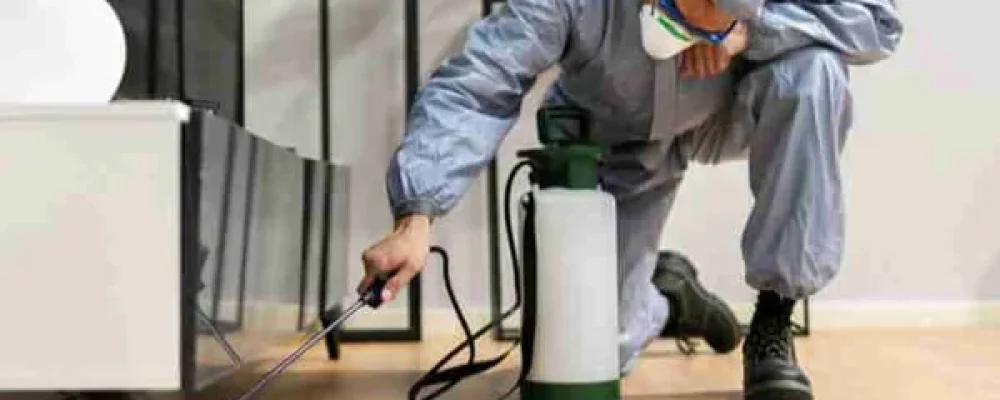
- Confined Spaces: Navigating a tight crawl space requires specialized personal protective equipment (PPE), including full-body Tyvek suits, gloves, and sealed eye protection.
- Respiratory Protection: A standard dust mask from the local hardware store will not protect your lungs from toxic spores. Professionals use tight-fitting respirators equipped with P100 particulate filters.
- Electrical Hazards: Crawl spaces often feature standing water, low-hanging electrical wires, and sharp construction debris, making them incredibly hazardous environments for untrained individuals.
Restore Your Home’s Health with Mold Remediation Indy
You shouldn’t have to worry about the air quality inside your own home. Removing mold from your crawl space requires specialized knowledge, industrial equipment, and a commitment to addressing the root cause of the moisture.
At Mold Remediation Indy, we specialize in identifying hidden fungal threats, executing safe containment, and implementing permanent moisture-control solutions to protect your family and your property investment.